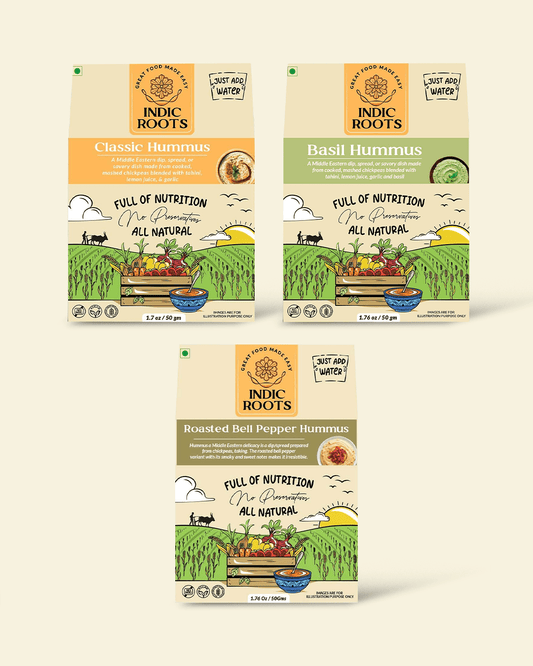
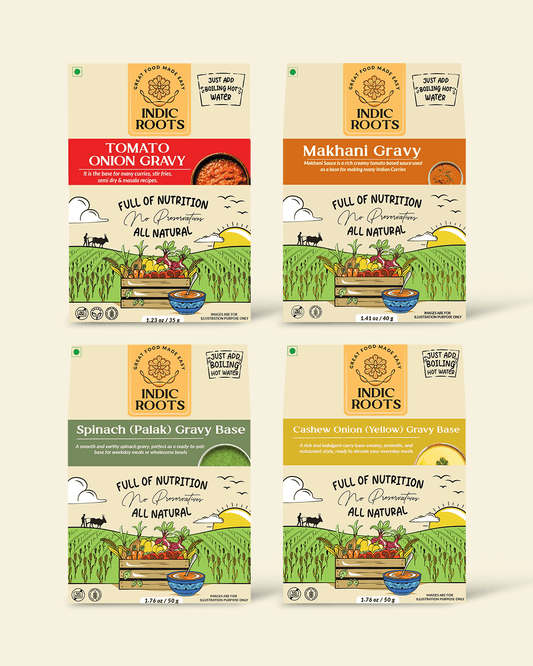

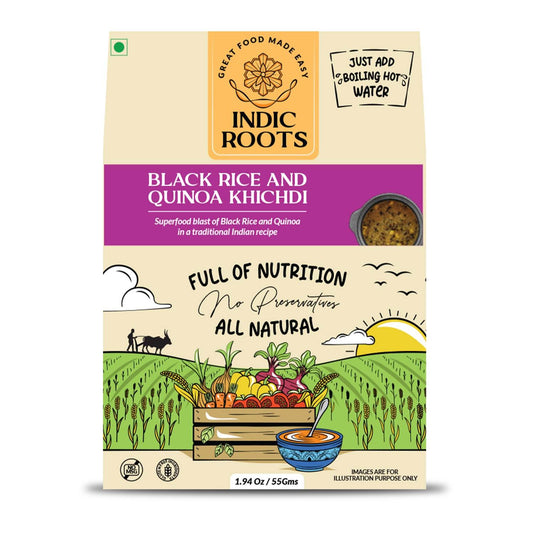

In Indian kitchens, chutneys have always done something magical.
They can rescue a boring meal. Elevate a festive spread. Add drama to comfort food. And somehow, they often become the one thing everyone remembers.
A spoonful of mint chutney with pakoras. Coconut chutney with dosa. Tamarind chutney drizzled over chaat. Garlic chutney with bhakri. Tomato chutneys elevate simple dal chawal. Coriander chutney in a sandwich packed for a train journey.
Small in quantity. Massive in impact.
And while food trends come and go, chutneys remain timeless.
Indian food culture has always understood something modern food trends are rediscovering now: condiments create emotional experience.
Every Chutney carries a region’s identity
Few foods express India’s regional diversity as vividly as chutneys.
Every part of the country has its own versions shaped by local climate, ingredients, and cultural memory:
- Coconut chutney from the South
- Kasundi from Bengal
- Thecha from Maharashtra
- Walnut chutneys from Kashmir
- Sesame chutneys from Bihar
- Garlic chutneys from Rajasthan
- Bamboo shoot chutneys from the Northeast
- An all-round roasted tomato chutney
These are not just condiments. They are edible maps of India.
Chutneys preserve local ingredients and culinary traditions in ways that large-scale commercial food often cannot. They keep regional identities alive — one recipe at a time.
And because regional pride never disappears, chutneys never do either.
Chutneys were sustainable before sustainability became trendy
Modern food culture loves words like: zero-waste, sustainable, seasonal, and farm-to-table.
Indian kitchens have quietly practised many of these ideas for generations, especially through chutneys.
Many traditional chutneys originated from: leftover herbs, vegetable peels, dried lentils, seasonal abundance and preserved produce. Real ingredients from the kitchen. Nothing was wasted if it could become flavorful.
A few ingredients, a stone grinder, some spices, and ingenuity could create something extraordinary.
This resourcefulness is one reason chutneys feel so contemporary today. Modern audiences are rediscovering the intelligence of traditional food systems.
The emotional power of Chutneys
Perhaps the real reason chutneys never lose relevance is emotional.
Everyone has a chutney memory.
The sound of chutney being ground on a sil-batta. The smell of curry leaves crackling in hot oil. A grandmother’s recipe nobody can replicate perfectly. Steel dabba lunches packed with chutney sandwiches. Family arguments over which chutney pairs best with pakoras.
Unlike many recipes, chutneys are deeply personal. Rarely measured perfectly. Often improvised. Always slightly different from household to household.
That makes them feel alive.
And foods that feel alive rarely disappear.
In many ways, chutneys are the perfect symbol of Indian food itself - layered, adaptable, emotional, regional, inventive, and impossible to reduce to one definition.
Tiny bowl. Giant legacy.
****
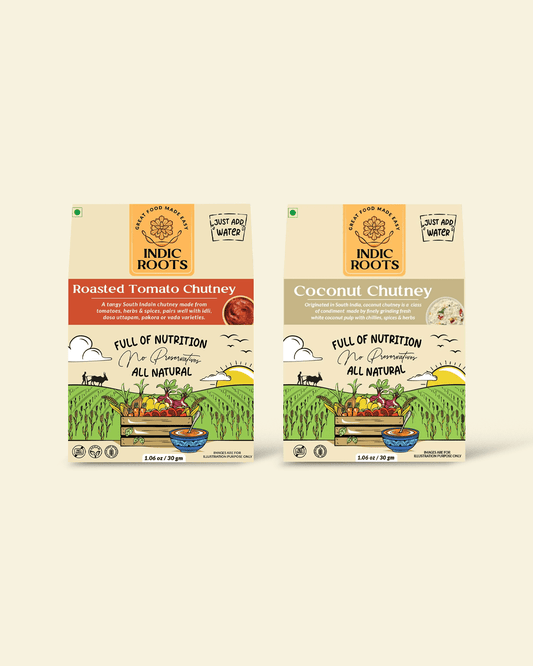
Check out Indic Roots Ready to Eat Chutneys and our full range of ready-to-eat meals here.
Tags:
Previous
Why We Ask You to Check the Label – and How to do it Right
Next
The travel hack that saves space, weight, and stress
Verwante artikels

-
Oct 13 2026
Your hack to festive hosting: Gravies that do more
-
Sep 28 2026
The festive table starts long before the feast

-
Sep 24 2026