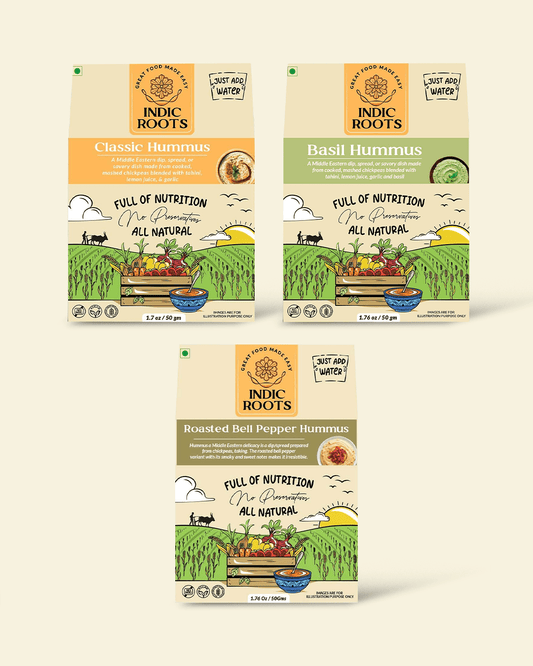
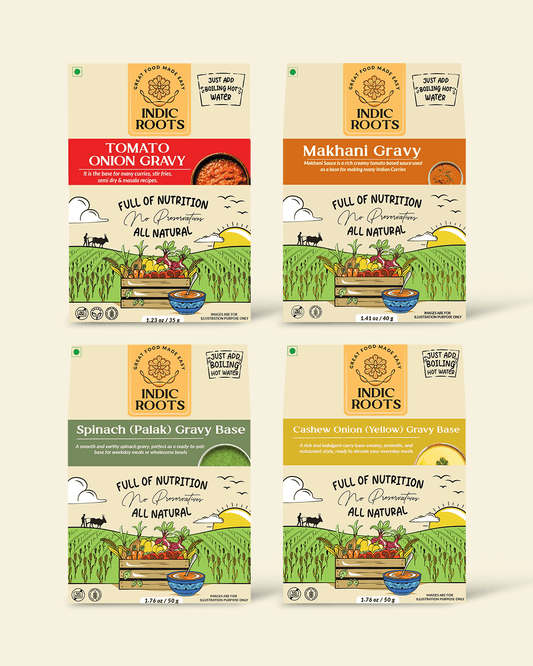
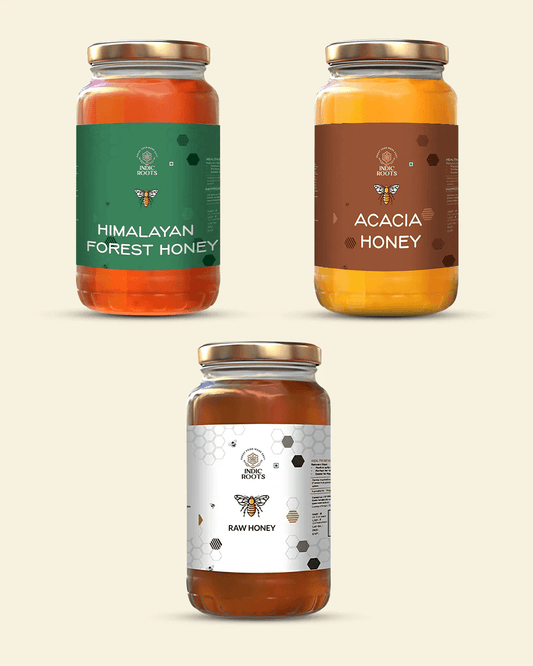

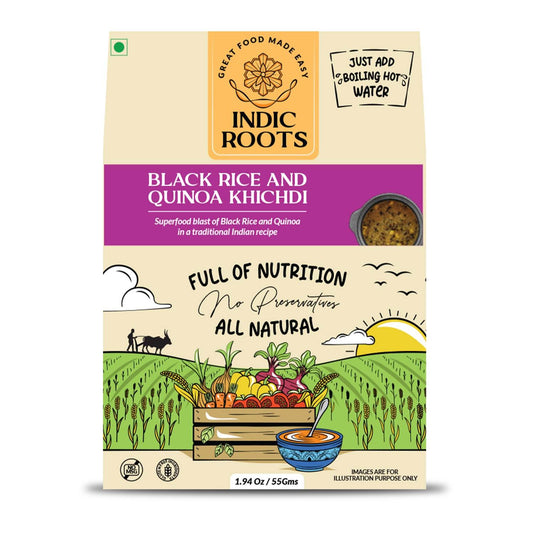

Certain foods don't come with a grand story. They simply exist in our memories.
The steel tiffin box that always carried lemon rice on school trips. The smell of rajma simmered in the kitchen on a Sunday. Poha that appeared on breakfast tables without ceremony. The pickle jar that was opened with almost every meal.
Sattu belongs somewhere on that memory map too.
For generations across parts of Bihar, Jharkhand, Uttar Pradesh and beyond, sattu wasn't a superfood, a health trend or a protein hack. It was simply what people drank before heading to the fields, what travellers carried on long journeys, what families turned to on hot afternoons when they needed something filling, nourishing and affordable.
Like many foods we inherit, its story wasn't told through books or marketing campaigns. It lived quietly in kitchens, lunchboxes and daily routines, passed from one generation to the next.
What's interesting is that sattu has never belonged to just one recipe.
It has been stirred into drinks, kneaded into dough, stuffed into litti and parathas, mixed with curd, eaten sweet, eaten savoury, adapted to seasons, tastes and circumstances. Reinvention has always been part of its story.
Our take on sattu mixes this versatile ingredient with green peas and a blend of warm spices for an earthy yet satisfying flavour. Paired with green peas, sattu takes on a different character. The earthy notes of roasted gram meet the gentle sweetness of peas. The result is familiar, yet new. Rooted in tradition, yet suited to the rhythms of modern life.
When we were thinking about ingredients that have quietly sustained communities for generations, we found ourselves returning to sattu. Not out of nostalgia, but curiosity. What happens when an ingredient with such a long history finds its way into a format that fits contemporary life?
Most of us no longer spend hours preparing meals from scratch. We eat between meetings, during commutes, after workouts and on busy weeknights. Yet our need for comfort, nourishment and familiarity remains unchanged.
Food heritage isn't preserved by putting it behind glass. It survives when it continues to be cooked, shared and adapted.
Tags:
Previous
The travel hack that saves space, weight, and stress
Next
Moringa Honey: The honey you didn't know you were missing
Related articles

-
Oct 13 2026
Your hack to festive hosting: Gravies that do more

-
Sep 28 2026
The festive table starts long before the feast
-
Sep 24 2026